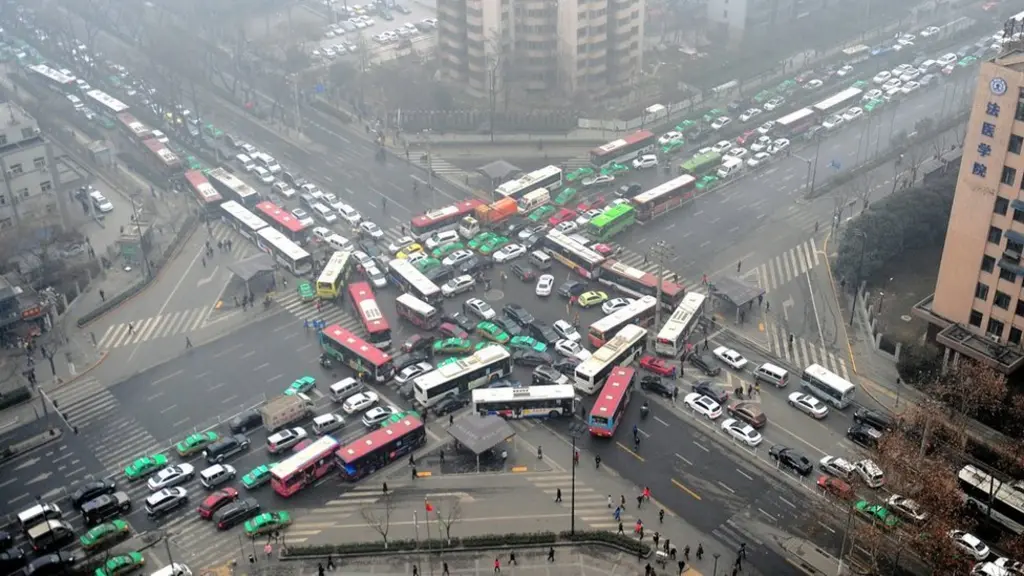
The phrase “China traffic dance video goes viral” instantly brings a smile to most people’s faces. You’ve probably seen one of those clips: cars gridlocked on a hazy highway, and suddenly a group of women—or sometimes a lone traffic officer—turns the standstill into an impromptu dance floor. It’s absurdly joyful, a little chaotic, and deeply human. I remember the first time a friend in Lahore sent me one from 2016. We were both stuck in our own city traffic, laughing at how these folks in northern China decided boredom wasn’t an option. That clip, and dozens like it since, capture something special about resilience wrapped in rhythm.
These videos aren’t just funny internet fodder. They reveal how ordinary Chinese people—and sometimes those directing them—transform frustration into fun. From highway dance parties during holiday gridlock to traffic cops with moves that rival professional dancers, the phenomenon has repeated across years, sparking global shares on platforms like YouTube, Weibo, and Douyin (China’s TikTok). Let’s dive deep into what makes these moments tick, why they spread so fast, and the cultural roots that keep producing them.
What Exactly Is the China Traffic Dance Video?
The classic “China traffic dance video” often refers to clips from the mid-2010s onward showing motorists, usually middle-aged women known as “dama” or dancing aunties, stepping out of their vehicles during massive jams and breaking into synchronized or freeform dancing. One widely circulated example from around 2016 showed women in northern China line-dancing beside their cars in a smoggy traffic snarl that lasted hours. They cranked up music from a phone or car stereo and moved in unison, turning a nightmare commute into a temporary party.
Other versions feature traffic police or security guards whose hand signals morph into energetic, almost choreographed gestures. A 2024 clip from Tongling City in eastern China showed an officer directing vehicles with fluid, dance-like arm movements and steps that had netizens calling him a “traffic maestro.” He later explained he used the style to make the job less monotonous and more engaging for drivers.
These aren’t staged performances for the camera in most cases. They emerge organically when people face the reality of China’s vast road network, booming car ownership, and periodic holiday travel surges that overwhelm infrastructure.
The Cultural Love for Public Dancing in China
To understand why traffic jams spark dancing, you need to know about square dancing, or guǎngchǎng wǔ. Millions of mostly older Chinese women gather daily in parks, plazas, and even sidewalks for group dances set to upbeat pop, folk, or revolutionary tunes. It’s exercise, social bonding, and a way to claim public space in crowded cities.
I once watched a similar scene during a trip to a busy Asian metropolis—groups claiming corners with portable speakers, moving in sync while ignoring honks or stares. In China, this habit runs deep. Retirees with pensions and time on their hands turn to it for health and community. When stuck in traffic, the instinct kicks in: why sit idle when you can move?
Dancing aunties have even been enlisted officially. Beijing once deployed them at intersections to model patience during red lights, complete with catchy songs urging pedestrians to “wait for the light” for safety and civilized behavior. It’s creative public education that blends tradition with traffic management.
The appeal crosses generations too. Younger people join viral Douyin dance challenges, but the dama style dominates traffic clips because these women carry the cultural muscle memory of collective movement from earlier eras of group activities in state-owned work units.
Famous Viral Incidents That Captured the World
Several moments stand out in the long line of China traffic dance videos.
One from Huludao in Liaoning Province (around 2020) showed over a dozen women dancing on the highway after more than an hour of standstill. They formed lines, laughed, and waved at onlookers before traffic resumed. Similar scenes popped up during Labor Day holidays, like on the Beijing-Harbin Expressway near Panjin, where elderly women turned a holiday travel jam into a roadside dance party.
Traffic officers often steal the show with flair. In Siping, Jilin Province, a veteran cop named Ding Guanxiong with over 20 years on the job used flowing hand signals that looked like modern dance fused with traffic control. Drivers slowed down just to watch. In Ningbo, Zhejiang, another officer’s exaggerated, humorous gestures had passersby filming and smiling. A security guard in one clip turned basic directing into high-energy performance art, earning cheers from commuters.
Even flash mobs appear: back in 2014, traffic policewomen in Fangchenggang, Guangxi, performed a choreographed routine on the street to send New Year wishes, blending duty with celebration.
These videos spread because they contrast sharply with the stress of traffic. In a country where highways can see millions moving during Golden Week or Spring Festival, a bit of joy feels revolutionary.
Why Do These Videos Go Viral So Easily?
The psychology is straightforward yet powerful. First, relatability: everyone hates traffic. Seeing people refuse to let it ruin their mood triggers instant empathy and admiration. Second, surprise and positivity in unexpected places— a gritty highway or busy intersection—create emotional uplift. Light humor emerges too: imagine honking horns replaced by dance music.
Social media algorithms love shareable positivity. Platforms amplify feel-good content, especially when it crosses cultures. International viewers marvel at the collective spirit, while Chinese netizens celebrate it as “positive energy” (zhèng néngliàng), a term the government and public both embrace.
There’s an emotional layer. In fast-paced modern China, where economic growth brings congestion alongside opportunity, these dances remind people of simpler communal joys. I felt that pull myself watching one late at night in Lahore—our own chaotic roads suddenly seemed less defeating if you could just add rhythm.
Comparisons with similar global moments highlight the uniqueness. Singapore has had dancing traffic marshals doing moonwalks. India and other places see street performers or individuals breaking out in jams. But China’s scale, frequency, and blend of official duty with everyday dama energy set it apart.
Pros and Cons of These Viral Traffic Dance Moments
- Pros:
- Boost morale for drivers and officers alike.
- Promote light exercise and social connection in confined situations.
- Humanize authority figures like police.
- Generate positive PR for cities or the country internationally.
- Encourage creative problem-solving in daily frustrations.
- Cons:
- Potential safety risks if dancers stray too far into active lanes.
- Can delay clearance if too many join in.
- Some critics call it undignified or an “embarrassment” for the nation.
- May distract from addressing root causes like infrastructure bottlenecks.
On balance, the joy outweighs the drawbacks in most cases, as long as common sense prevails.
The Role of Technology and Social Media in Amplification
Smartphones and short-video apps like Douyin turned isolated incidents into national and global phenomena. A quick recording, added music or text overlay, and upload—boom, millions of views. Hashtags around “traffic dance” or “dancing police” trend easily.
State media sometimes picks them up positively, framing them as examples of resilience or civilized behavior. International outlets like BBC covered the 2016 highway dancers, noting the mix of praise and online debate.
This digital ecosystem also creates feedback loops. Officers or groups aware of virality might lean into the entertainment value, knowing it builds public goodwill.
Traffic Challenges in China: Context Behind the Dance
China’s rapid urbanization and motorization explain the frequent jams. With over 300 million cars on the road and massive holiday migrations, congestion is routine. High-speed rail helps, but personal vehicles during peaks overwhelm highways.
Environmental factors like smog in older clips add irony—dancing in poor air while stuck. Yet participants focus on the moment. These dances subtly highlight infrastructure strains while showing adaptive spirit.
Comparisons:
| Aspect | China Traffic Dances | Similar Global Examples |
|---|---|---|
| Frequency | High, tied to holidays and daily jams | Occasional, often individual |
| Participants | Groups of women, officers | Mostly solo or small groups |
| Style | Synchronized square dance or fluid gestures | Freestyle, moonwalk, or performative |
| Cultural Root | Public square dancing tradition | Street performance or personal expression |
| Public Reaction | Mix of pride, humor, some criticism | Mostly amusement and shares |
Safety, Official Views, and Broader Impacts
Authorities generally tolerate or encourage positive spins on these moments, as they align with promoting “harmonious” society. However, safety remains key—no one wants accidents from distracted dancing.
Some officers have shared that rhythmic directing reduces their own stress and improves driver compliance through engagement. Public education efforts using dance, like the aunties at crossings, show innovative thinking in a country tackling jaywalking and road discipline.
Emotionally, these videos offer relief. In a high-pressure environment, a few minutes of movement release tension. I’ve felt similar small wins in tough traffic back home—blasting music or sharing a laugh with fellow drivers makes the wait bearable.
People Also Ask (PAA) Section
What is the China traffic dance video about?
It’s usually footage of people stuck in massive traffic jams who get out and dance to pass the time, or traffic officers using dance-like moves to direct vehicles. The most famous ones feature groups of women line-dancing on highways.
Why do Chinese people dance when stuck in traffic?
It’s a practical way to combat boredom and frustration, rooted in the widespread habit of public square dancing for exercise and socializing. It turns helplessness into agency and fun.
Are traffic police in China trained to dance?
Not formally trained as dancers, but some officers naturally develop energetic, rhythmic gestures that look like dance. They say it makes the job more enjoyable and helps calm chaotic intersections.
Where can I watch the original China traffic dance videos?
Search YouTube or Douyin for terms like “China traffic jam dance,” “Tongling traffic police dance,” or specific incidents from Huludao or Siping. News sites like BBC and Newsflare host many.
Do these dances cause more traffic problems?
Rarely, as most are short-lived and contained. Participants usually return to vehicles quickly once movement resumes. The positive vibe often eases overall tension.
FAQ: Common Questions About China Traffic Dance Videos
How many such viral videos exist?
Dozens have circulated since the 2010s, with new ones emerging during major holidays. Not every jam produces one, but the combination of phones and cultural dancing habits ensures a steady supply.
Is this only a Chinese phenomenon?
The scale and style feel uniquely tied to China’s square dancing culture and traffic realities, but creative responses to jams appear worldwide—from Bengaluru street dancers to Singapore marshals.
Can anyone join in?
In the videos, bystanders sometimes do. It’s informal and inclusive, though safety and not blocking emergency access should always come first.
What makes one video go more viral than others?
Great lighting, clear audio, group synchronization, or an officer with exceptional charisma help. Timing during slow news periods or holidays boosts shares too.
These China traffic dance videos remind us that even in chaos, humans find ways to inject lightness. Whether it’s dama energy on a foggy expressway or a cop’s smooth signals at a crossroads, they turn potential misery into memorable moments. Next time you’re stuck—anywhere—consider the lesson: a little movement and music can change everything. If you’ve spotted similar creativity in your own city, drop a comment; we’d love to hear the story.